
Case study · 2024–present
Bawo Africa
A culture-first platform for learning African languages, taken from a blank page to a live beta as founder and product lead.
Bawo Africa teaches African languages the way they are actually used: with the culture they belong to. It is built for diaspora families who want their children to grow up hearing the language at home, and for learners across the continent who want to speak a neighbour's language, not only a European one.
There was no client and no brief. I set the vision, ran the research, designed the experience, chose the channels, and built the team model. That makes Bawo the clearest view of how I work when every decision is mine and so is every consequence.
- Role
- Founder & Product Lead
- Timeline
- 2024–present
- Status
- Live beta on web app and WhatsApp; native app in development
- Languages
- Yoruba live; Igbo, Hausa, Kiswahili and Krio in development
- Live
- bawoafrica.com
Challenge
Mainstream language apps offer only a handful of African languages, and they rarely teach them with their cultural context. Learners get word lists without tone, without native audio, and without any sense of who says what to whom. In a tonal language like Yoruba, the same letters can mean entirely different things depending on pitch, so a lesson that can't be heard can't really be learned.
Reach was the second problem. Many of the learners who care most about these languages use mid-range phones on expensive mobile data. Asking them to download a large app before they have learned a single word loses most of them at the door.
Brief
Build a product that teaches African languages together with their culture, in short audio-first lessons that work on whatever phone and data plan a learner already has. The content must be written and voiced by native speakers rather than translated by outsiders.
Product & strategy
Set the positioning (culture-first, not vocabulary-first), the roadmap, and the feature priorities, and decided what the beta would and would not include.
Research
Ran 25 interviews with members of the African diaspora in Australia, Canada, the UK, and the US, and used what they said to shape the lesson format, the content model, and the community roadmap.
Experience design
Designed an audio-first, bite-sized learning experience with flashcards, quizzes, and gamified progress, so a lesson fits into a commute or a coffee break.
Channels & delivery
Delivered the product through a web app and WhatsApp, and wrote the requirements for the native mobile app now in development.
Content model
Designed an open contributor platform so native speakers author, voice, and review the lessons, and are credited and paid for their work.
The interviews covered five groups: African parents raising children abroad; partners married to or dating an African; adults who grew up in the diaspora and want to reconnect with their language; young adults aged 18–26 who feel out of touch with the culture they come from; and language enthusiasts who collect languages for the joy of it.
The loudest signal came from parents. They want their children, mostly aged 3 to 10, to speak the language, but they are too time-poor to teach it themselves. The product had to do the teaching in short sessions a parent can hand over, not add another job to their evening.
Across every group, three requirements kept coming up:
Built by native speakers
Learners trusted content only when it came from people who actually speak the language.
Authentic audio
They wanted real native intonation and dialect, not AI-generated audio that gets the tones wrong.
People to turn to
They wanted a community where they could reach a native speaker when they got stuck.
Each of those became a product decision below.
The learner journey, captured from the product in light mode: onboarding into the language, a daily dashboard that holds the streak and the next lesson, and a profile that makes progress worth coming back to.
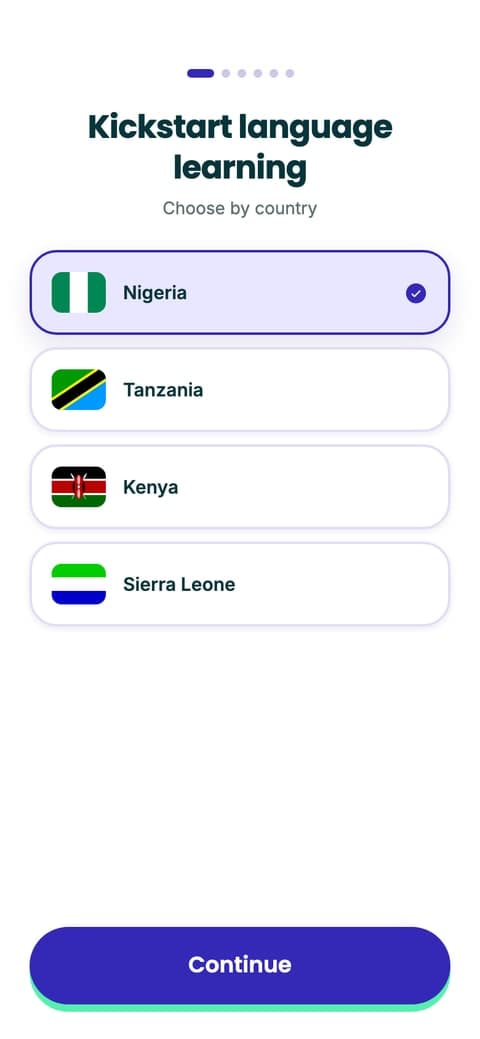
01 · Onboarding
A short wizard: start by country, then narrow to a language, level, and a daily goal.
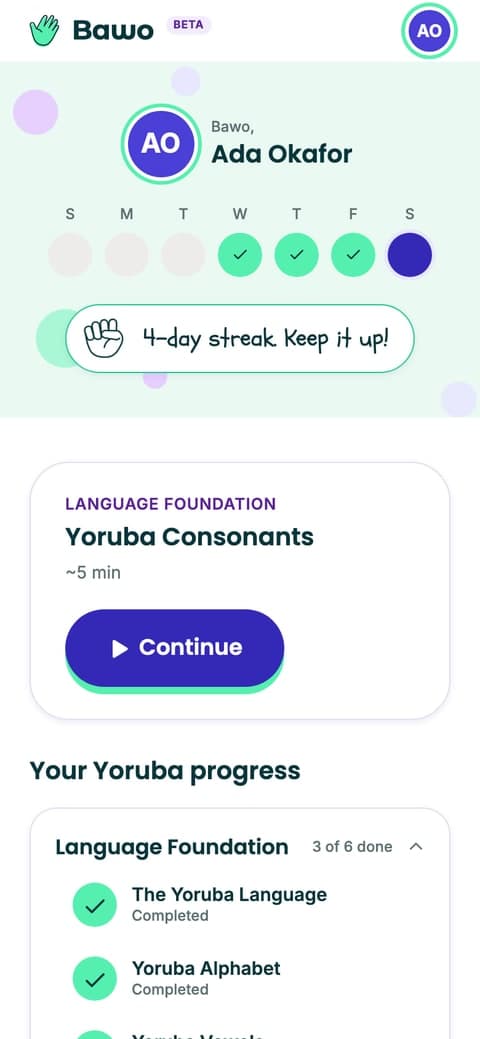
02 · Dashboard
The daily home: your streak, the next lesson to pick up, and how far you are through the module.
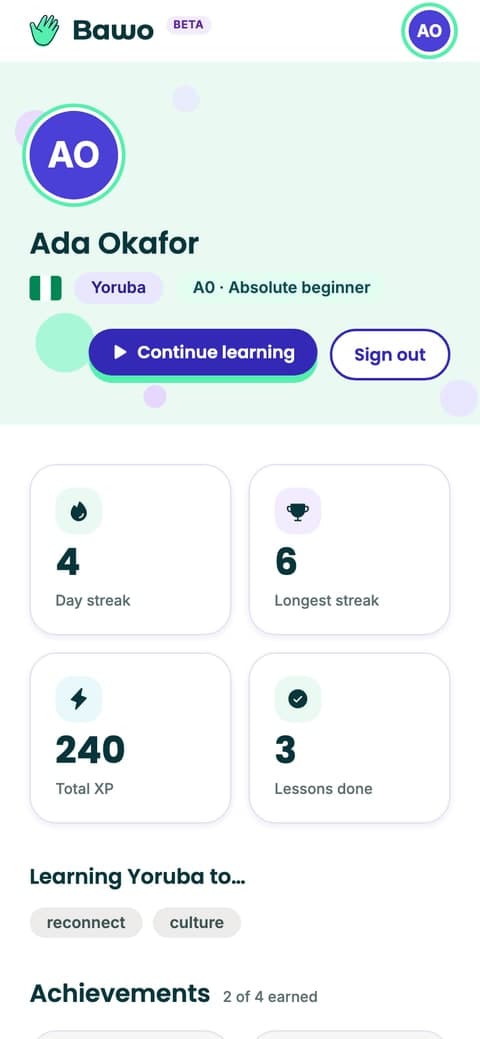
03 · Profile
Profile pulls the retention loop together: streak, XP, lessons done, why you are learning, and achievements.
Inside a lesson
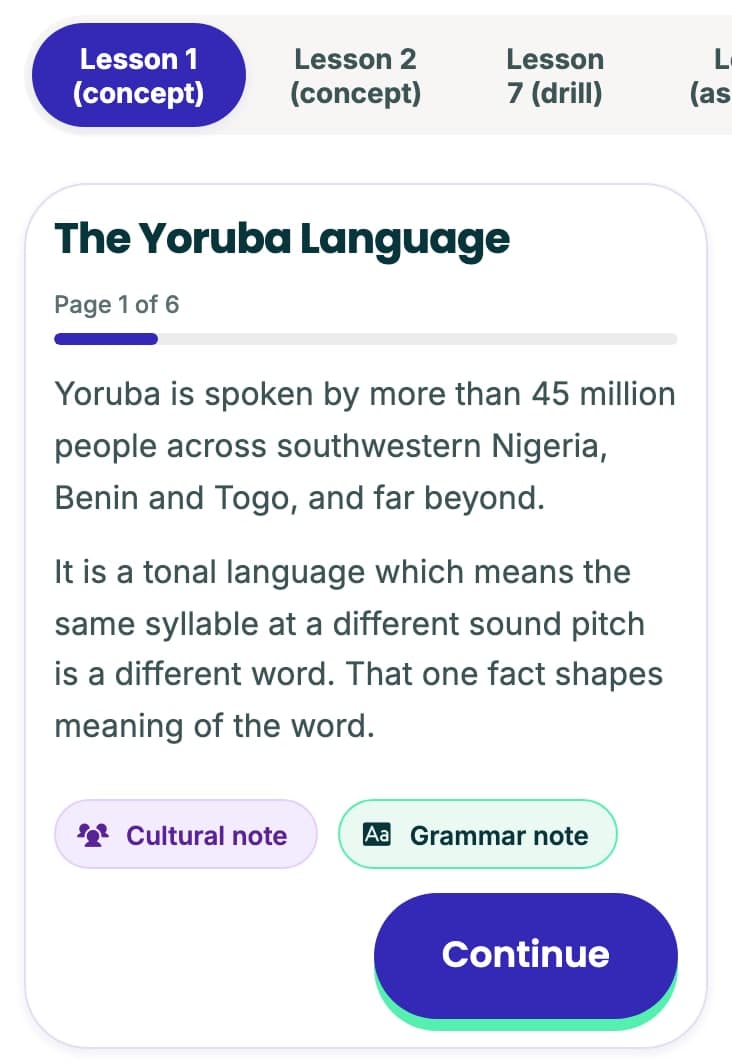
A lesson
Short reading up front; cultural and grammar depth tucked behind chips so the lesson stays bite-sized.
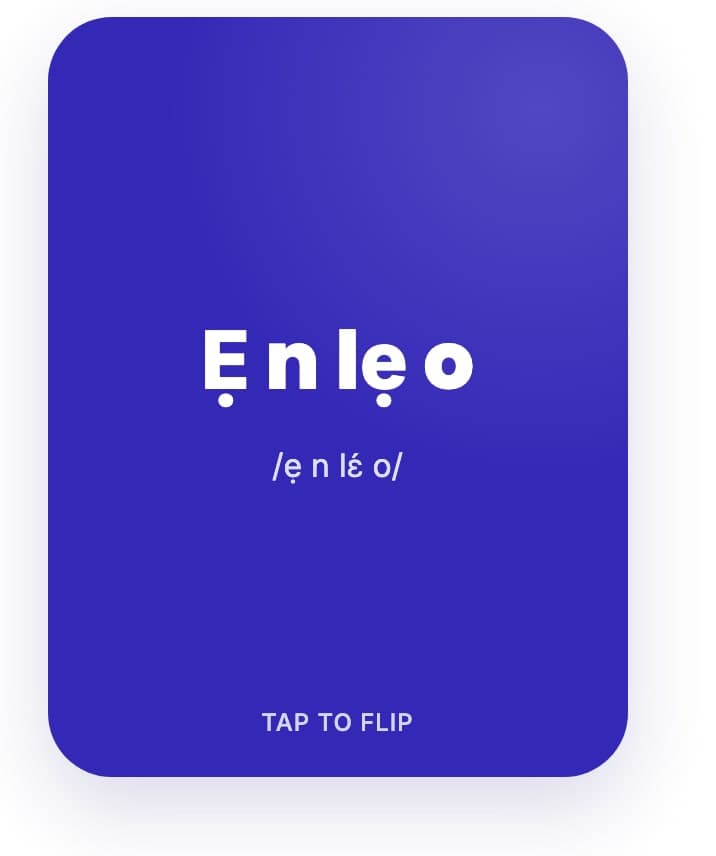
Flashcards
Flashcards lead with the word and its pronunciation, because in a tonal language the sound is the lesson.
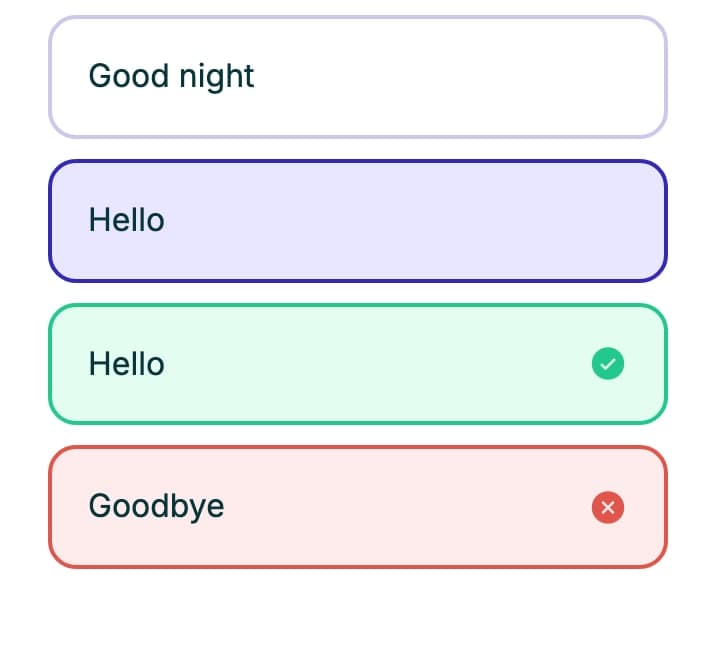
Quiz
A short quiz closes the loop, with clear right and wrong feedback.
Meet learners where they already are
WhatsApp became a learning channel in its own right, not a marketing afterthought. Learners can practise without downloading anything, on the app they already open every day, and it works on low-bandwidth connections. That decision did more for reach than any feature could.
Audio first, because tone carries meaning
Every lesson leads with audio recorded by native speakers and treats text as support. Interviewees were clear that AI-generated voices get the tones wrong, and in a tonal language that is the difference between learning a word and learning the wrong word.
Culture is the curriculum, not a sidebar
Every phrase carries its context: who says it, to whom, and what it signals. A greeting taught without that is just vocabulary. Cultural notes sit inside the lesson, not on a separate page nobody opens.
Native speakers hold the pen
Learners told us they would only trust content built by native speakers, and no single team can build authentic courses for a continent of languages anyway. So I designed the platform to be built by the people who speak them. Contributors record phrases in their own accent, review tone marks and translations, write cultural notes, or lead a whole new language. They pass a short verification call, are named on every lesson they shape, and are paid per accepted contribution. Bawo builds the platform; speakers keep it true.
A community for when learners get stuck
Interviewees didn't just want lessons; they wanted someone to ask. Language partners and study circles will connect learners with native speakers for exactly that moment. They are being built carefully rather than launched empty, because a community with nobody in it does more harm than no community at all.
Web and WhatsApp first, native app second
A native app is the obvious first build and the most expensive way to find out you are wrong. Launching on the web and WhatsApp let the lesson format be tested with real learners first, while the community features are still being built. The native app is being built on requirements written from what that beta taught us, not from guesses.
I designed and built the front end and the WhatsApp integration; a back-end developer built the back end. Splitting it that way kept the learner experience, which is where the product wins or loses, in my hands.
- Front end
- Designed and built by me
- Back end
- Built by a back-end developer; lesson content managed in the back-end database
- Integration built by me on the WhatsApp API, so lessons reach learners without a download
- Audio
- Recorded by native speakers, never generated, so every phrase carries real intonation and dialect
Bawo Africa is in live beta at bawoafrica.com. Learners study through the web app and WhatsApp, and the contributor programme is open to native speakers, with named linguists, voice contributors and reviewers already shaping lessons. Community features (language partners and study circles) are in development.
5
Languages on the platform: Yoruba live in beta, with Igbo, Hausa, Kiswahili and Krio in development
25
Diaspora interviews across Australia, Canada, the UK, and the US that shaped the lesson format and roadmap
2
Learning channels live: web app and WhatsApp, with no download needed for either
Next on the roadmap: launching the community features, the native mobile app for iOS and Android, and new languages led by contributors.
01. Distribution is a product decision.
Choosing WhatsApp shaped the lesson length, the audio format, and the tone of the whole product. Where people learn decides what they can learn.
02. Authenticity cannot be added later.
Building native-speaker contribution into the platform from day one was harder than writing the content myself. It is also the only version of this product that scales without becoming wrong.
03. Sequence ruthlessly.
Every feature I left out of the beta was one less thing standing between a learner and their first lesson. The native app is better for waiting.